

PLASTERING WORK
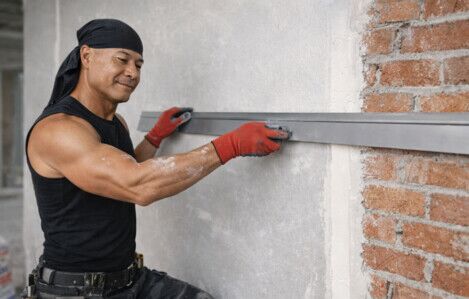
PLASTER ON WALL.
To correct and even out a wall surface to achieve perfect flatness, ready to receive a finish (paint, tiles, wallpaper, decorative plaster, etc.). This is done in compliance with the flatness tolerances required by building standards.
Improves the aesthetic quality of the wall by eliminating visible irregularities, hollows, and bumps.
 Emmanuel TOULET January 2026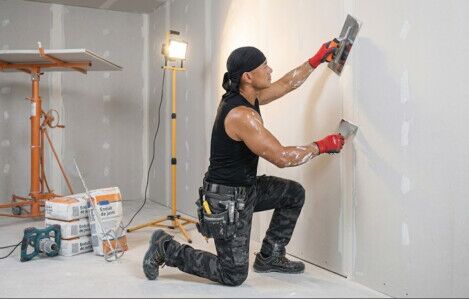
JOINT BETWEEN PLASTERBOARDS.
An essential step in interior finishing work.
Treat the joints between the panels using joint tape and a specific compound to ensure a continuous and flat surface.
Eliminate any visible gaps between the panels and prepare the surface for finishes such as paint, wallpaper, or decorative wall coverings.
Ensure a smooth and even surface, essential for a high-quality aesthetic result.
Emmanuel TOULET January 2026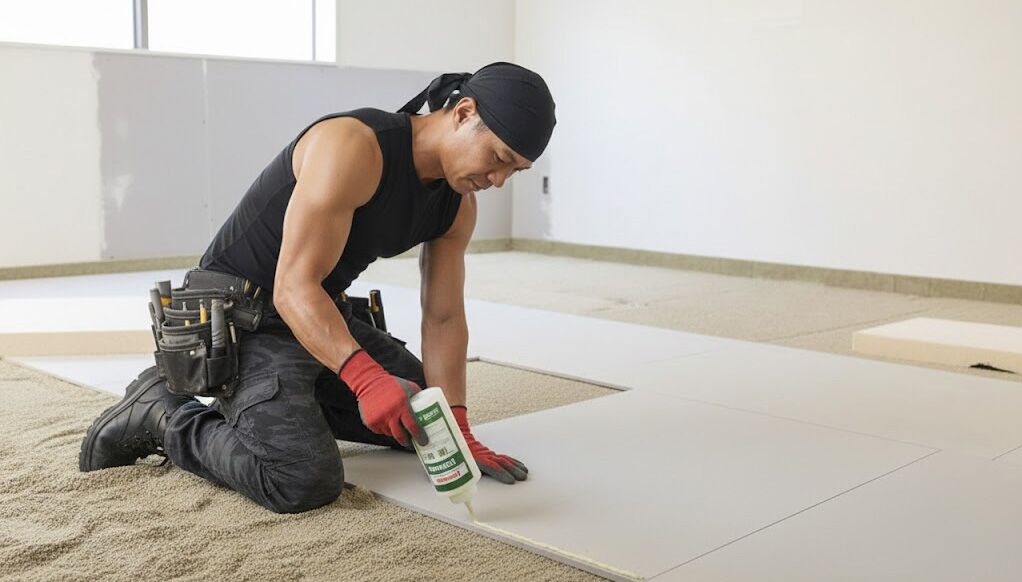
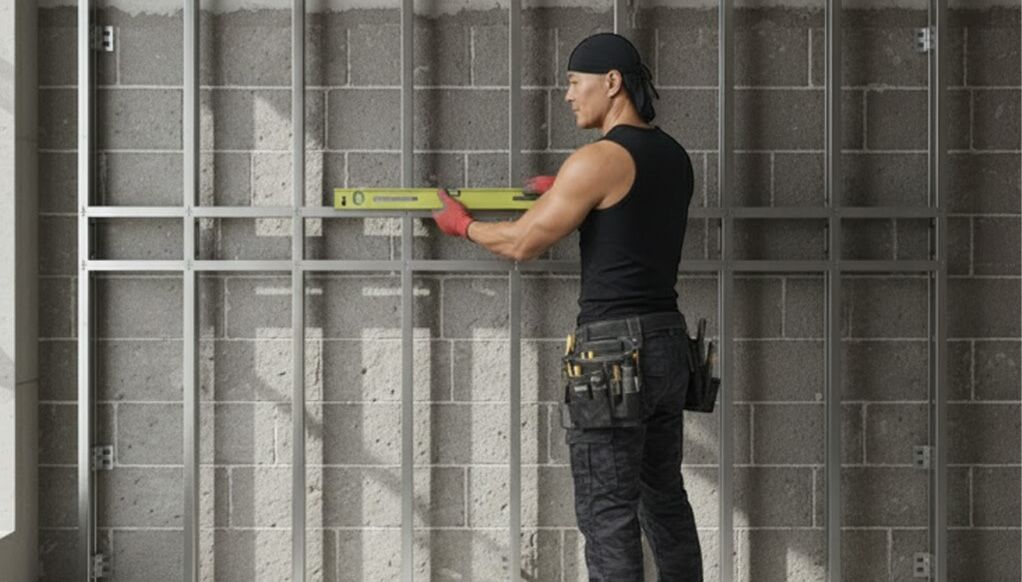
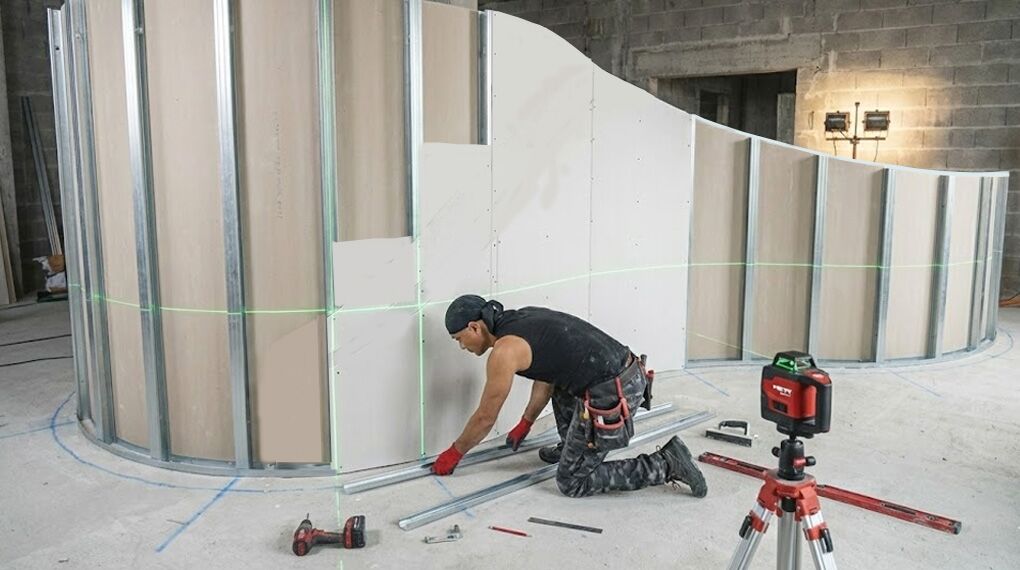
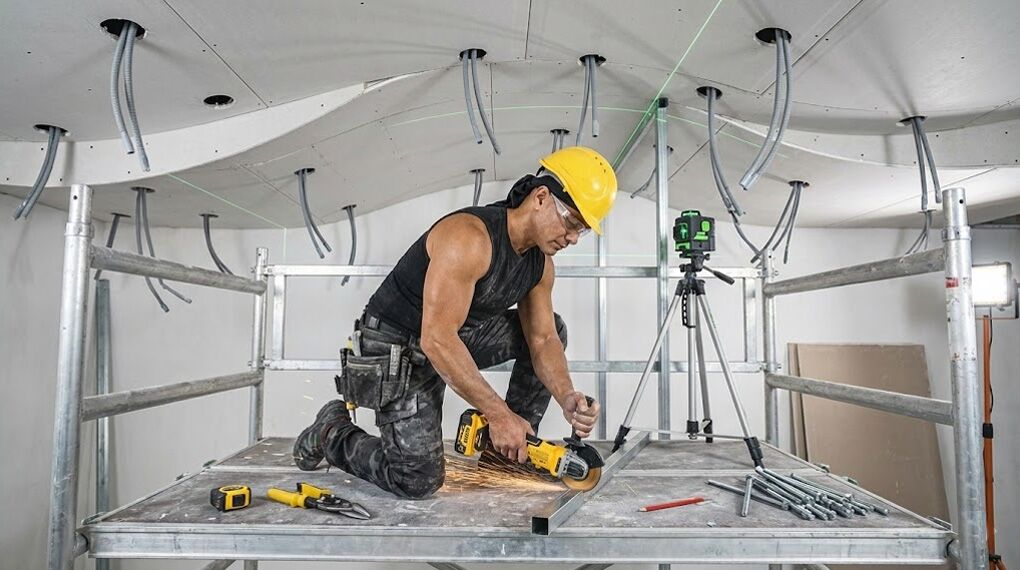
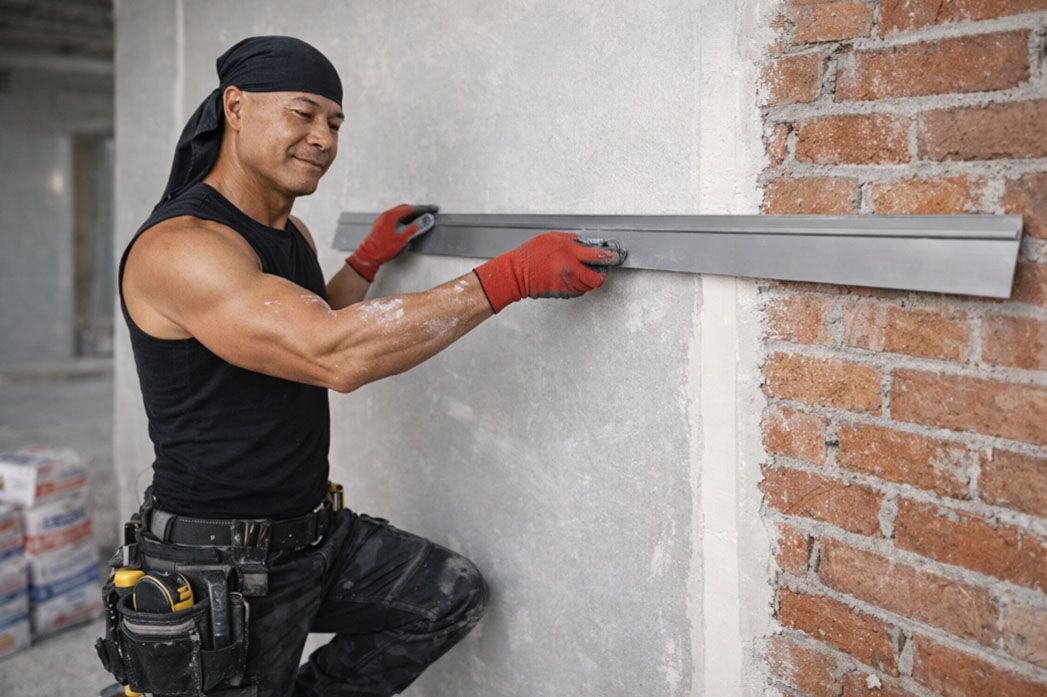
ROUGHING & FILLING.
Roughing and filling an interior wall are fundamental steps in preparing the surfaces before finishing work. Roughing involves removing significant imperfections, excess thickness, and major defects to create a smoother surface. Filling then involves filling holes, cracks, grooves, and imperfections with appropriate fillers, ensuring the wall is restored to a sound condition.
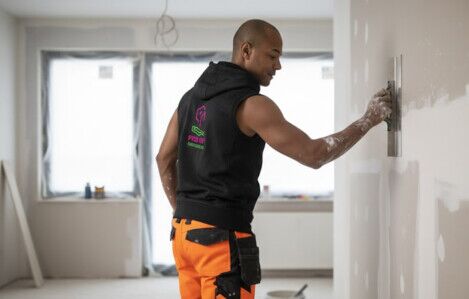
RAKING.
Skimming an interior wall is a finishing operation that involves applying one or more coats of smoothing compound to the entire surface of the wall. This technique corrects imperfections (holes, cracks, undulations, repair marks) to obtain a perfectly flat, smooth, and even surface, ready to receive paint, wallpaper, or any other decorative covering.
Emmanuel TOULET January 2026